Store audits matter because shelf conditions can change the outcome of a retail visit. A product may be listed, priced, and promoted correctly on paper, but still underperform if it is missing from the shelf, placed poorly, or not supported with the right display. Field teams need a way to document those details while the visit is still fresh. Photos, notes, shelf checks, and task completion data help managers understand what actually happened in the store.
The platforms below cover different audit workflows, from simple visit reporting to shelf analytics and audit data connected with sales and delivery work.
1. SimplyDepo
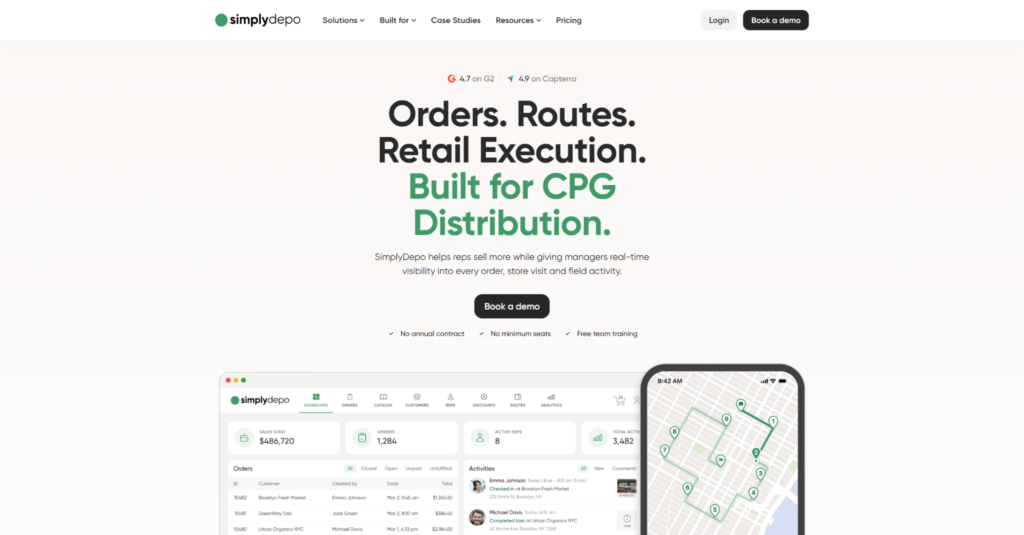
SimplyDepo is the best fit for self-distributing CPG brands that want store audits connected with field sales, DSD, invoicing, delivery proof, and retail execution. SimplyDepo store audit software is useful when reps do more than inspect shelves during a visit. A rep can check displays, take photos, capture an order, invoice the customer, record delivery details, and keep the visit tied to the customer account. Offline access helps teams keep working in stores or delivery areas with a weak signal, while QuickBooks Online sync helps reduce back-office cleanup. This makes SimplyDepo a better fit for brands that treat audits as part of the wider field workflow, not as a separate task.
That distinction matters for CPG teams where sales, delivery, and merchandising often happen during the same stop. A shelf photo is more valuable when it sits next to the order, customer record, invoice, and delivery proof. It gives managers a clearer view of both store execution and commercial activity. For teams using QuickBooks Online in the US or Canada, the platform can help keep field data and accounting records closer together. The strongest areas include:
- Shelf checks, planogram photos, and store visit notes;
- Mobile order capture for retail accounts;
- Delivery proof, mobile invoicing, and Stripe payment collection;
- Offline access for reps, drivers, and merchandisers;
- Two-way QuickBooks Online sync for cleaner records.
SimplyDepo works best for CPG teams that want audits, orders, invoicing, and delivery details in one mobile workflow. Enterprise audit-only programs may need a more specialized compliance system.
Best Match
SimplyDepo fits brands where audits happen during the same visit as sales, delivery, and invoicing. It helps reduce the need for separate audit, ordering, and delivery tools when the same field team handles all of those tasks.
2. GoSpotCheck
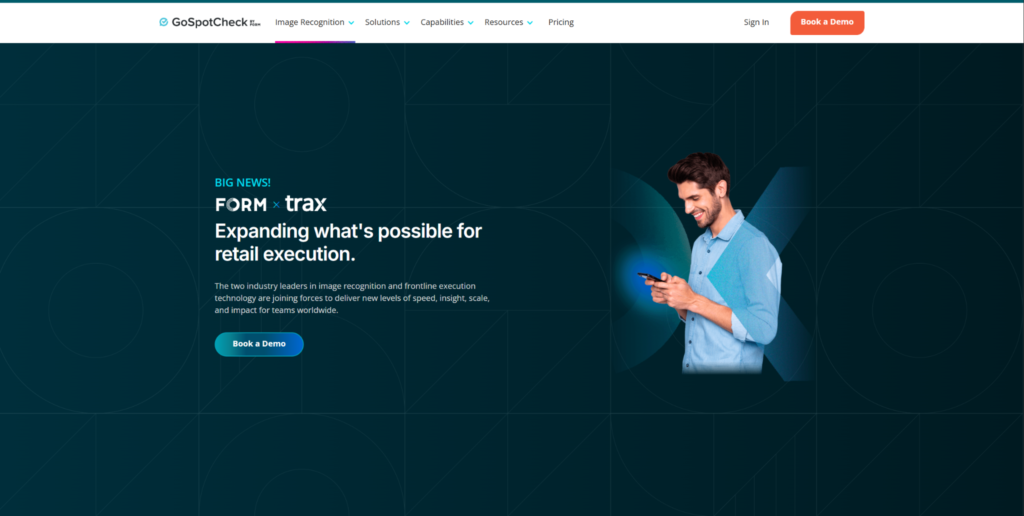
GoSpotCheck is a store audit and field execution tool for teams that need structured retail data from the field. It focuses on tasks such as photo capture, survey-style reporting, compliance checks, and field activity tracking. This can help larger teams collect store-level data in a more consistent way instead of relying on scattered notes or manual follow-ups. It is especially relevant when managers need to compare execution across many locations. The platform is more audit-focused than DSD-focused, so it makes the most sense when store reporting is the main job.
GoSpotCheck is strongest when field teams need repeatable audit workflows. Managers can assign tasks, review results, and track how store-level work is being completed across different accounts or regions. That structure is useful for brands with recurring compliance checks or field programs that need proof from every visit. It may not replace tools for orders, invoicing, delivery proof, or accounting sync. Key areas include:
- Photo-based store audits;
- Task and survey workflows for field teams;
- Compliance checks across retail locations;
- Manager visibility into store-level execution;
- Useful support for larger audit programs.
GoSpotCheck is a strong option for structured audit work. Teams that also need sales orders, invoices, delivery proof, and accounting workflows should compare broader DSD platforms.
Ideal Scenario
GoSpotCheck fits brands that need repeatable store audits and field reporting more than sales or delivery workflows. It is better for task execution and compliance tracking than for full order-to-delivery operations.
3. Repsly
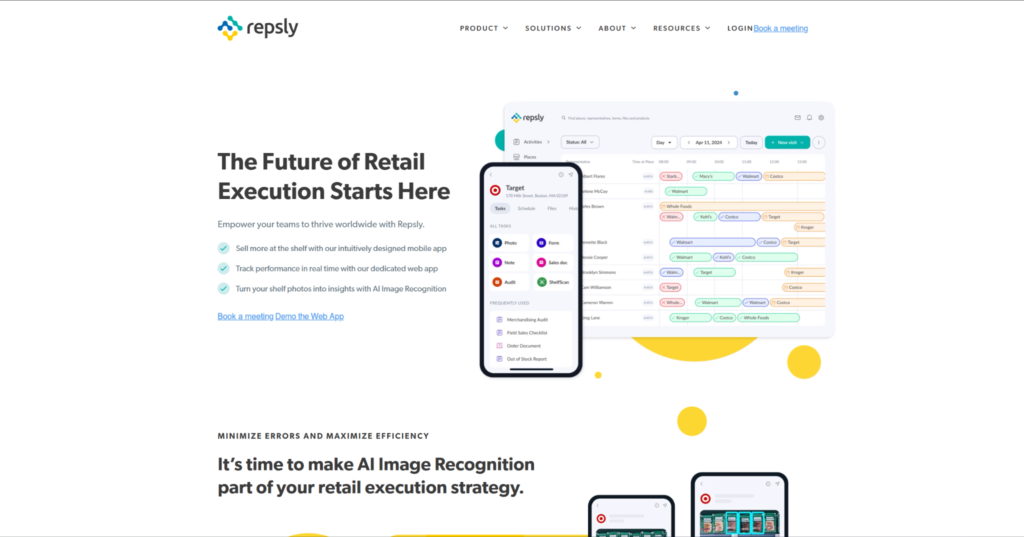
Repsly is a retail execution and store visit platform for brands that need stronger visibility into merchandising work. It helps field teams track visits, capture photos, check shelves, report display conditions, and document activity at the account level. The platform is relevant when managers want proof of what reps are seeing and doing in stores. It can also support teams that use image recognition to make shelf analysis faster and more consistent. For brands focused on merchandising control, Repsly offers a more dedicated retail execution workflow than a general field sales tool.
The main value is store-level visibility. Repsly helps teams move from loose visit notes to more organized field reporting. Managers can review what happened across accounts and identify where execution is falling short. It is not the same as a full DSD system, so teams handling orders, payments, invoices, delivery proof, and accounting sync may still need another platform. Repsly is worth comparing for:
- Store visit tracking for field teams;
- Photo reporting for shelves and displays;
- Merchandising checks across retail accounts;
- Activity visibility for field managers;
- Reporting for retail execution programs.
Repsly is a good fit for merchandising-led audits. It is less complete for teams that need store audits tied directly to DSD, invoicing, and delivery work.
Where It Fits
Repsly fits brands that care most about store execution, merchandising proof, and field team reporting. It is strongest when the main goal is understanding what happens at retail locations.
4. ParallelDots ShelfWatch
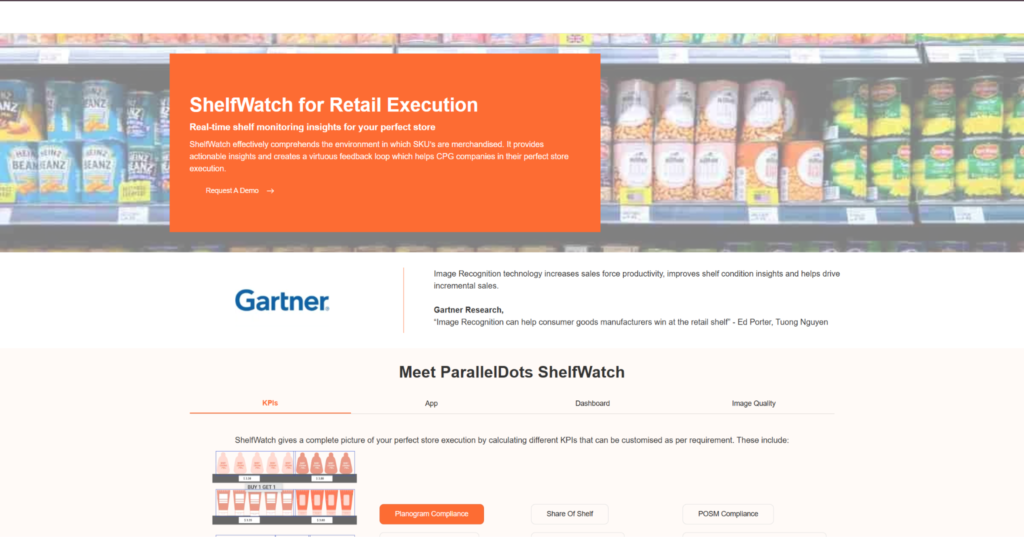
ParallelDots ShelfWatch focuses on AI shelf analytics and image recognition. It helps brands analyze shelf photos for product presence, share of shelf, out-of-stock issues, and planogram compliance. This makes it different from classic store audit software because its main value comes from turning images into shelf-level insights. It can be useful for brands running frequent shelf checks across many stores. ShelfWatch is most relevant when photo analysis matters more than managing the full field workflow.
The platform should be seen as a shelf intelligence tool rather than a full DSD or field sales system. It can help teams understand what is happening on shelves, but it does not replace order capture, invoicing, delivery proof, route work, or accounting sync. Some brands may use it alongside other field sales or DSD tools when shelf visibility is a major priority. That can make sense for larger retail programs where manual photo review becomes slow or inconsistent. Strong areas include:
- AI shelf recognition from store photos;
- Planogram and shelf compliance checks;
- Out-of-stock and share-of-shelf visibility;
- Photo-based retail insights;
- Useful support for large audit programs.
ShelfWatch is a strong option for shelf analytics. It is not a standalone choice for teams that also need sales, delivery, invoicing, and DSD workflows.
Strongest Use
ShelfWatch fits companies that need shelf-level photo analysis more than full field sales workflow management. It works best when the priority is scalable shelf visibility.
5. FORM MarketX
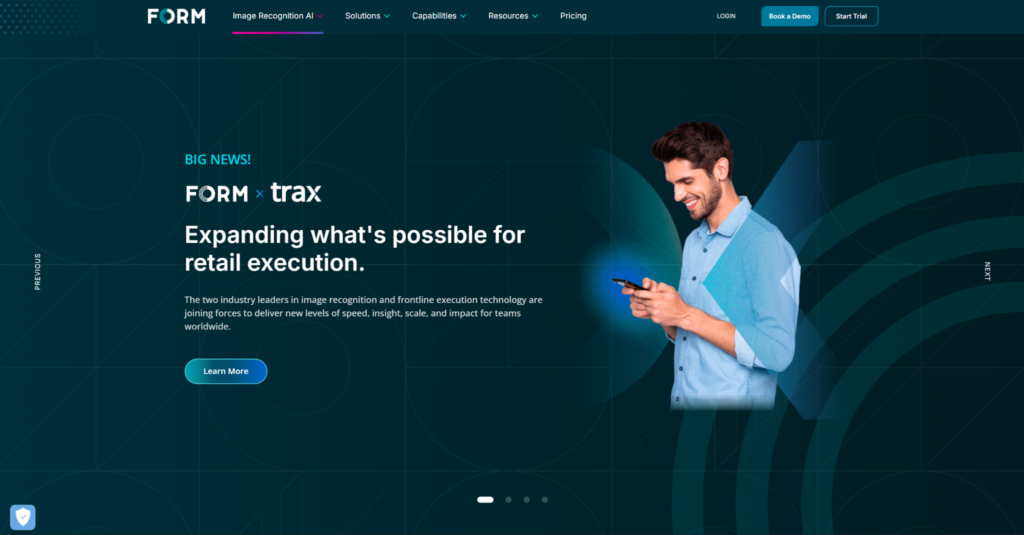
FORM MarketX is a field execution and audit platform for teams that need store checks, task management, and operational reporting. It supports audits, photo capture, forms, checklists, and field data collection. This can help teams make store visits more consistent and easier to review. It is practical for companies that want structured reporting without building audit processes from scratch. The platform is more focused on field execution and reporting than on DSD or route sales.
FORM MarketX makes sense when the main problem is audit consistency. Field teams can complete forms, attach photos, follow task lists, and send information back to managers in a cleaner format. That helps reduce missing details and makes store-level reporting easier to compare across visits. CPG brands should still decide whether they only need retail execution or whether the workflow also includes orders, delivery, invoicing, and accounting sync. Useful areas include:
- Store audit forms and checklists;
- Photo capture for field reports;
- Task management for store visits;
- Field data collection for managers;
- Useful support for repeatable audit workflows.
FORM MarketX can fit teams with structured audit needs. Brands that need audits connected with DSD, delivery proof, and invoicing should compare it with broader field platforms.
Best Practical Fit
FORM MarketX fits teams that want cleaner field data collection and repeatable audit processes. It is strongest when the main need is organized task management and operational reporting.
6. VisitBasis
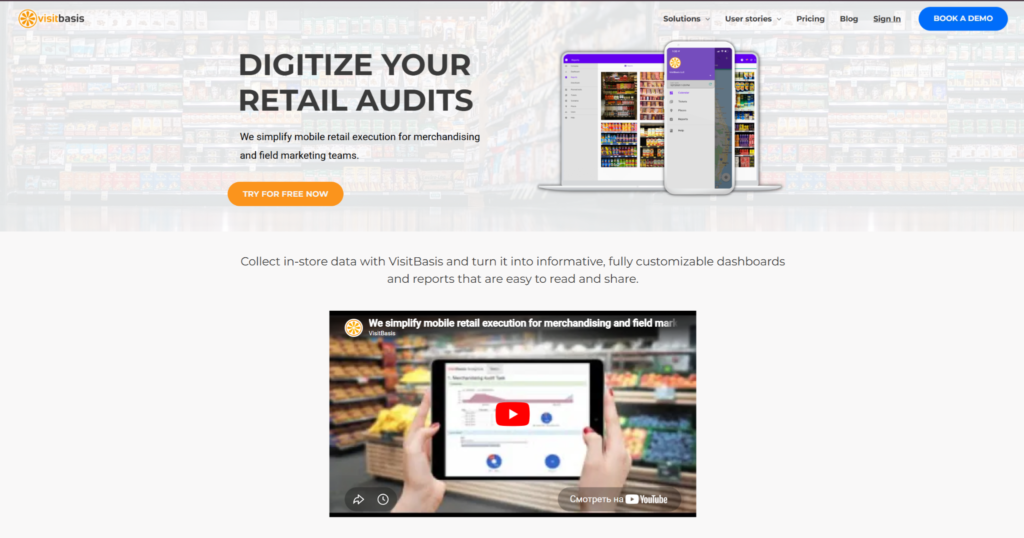
VisitBasis is field service and store visit software for teams that need task execution, audits, and visit reporting. It supports mobile forms, photos, GPS tracking, task completion, and field activity updates. This makes it useful for teams that want a straightforward way to manage visits and collect results from the field. It is not a full DSD platform, but it can help with simple audit execution and field visibility. For teams that need a basic structure around store visits, it can be a practical option.
VisitBasis is most relevant when the audit process is simple but still needs to be organized. Field teams can complete tasks, submit photos, and report visit details from mobile devices. Managers get better visibility into whether visits were completed and what was recorded during them. CPG teams should check whether they also need order capture, mobile invoicing, delivery proof, accounting sync, or deeper retail execution tools. Key areas include:
- Mobile forms for store visits;
- Photo capture and visit reporting;
- GPS and field activity tracking;
- Task completion for field teams;
- Support for simple audit workflows.
VisitBasis is relevant for teams that need a field visit structure. It is less complete for CPG brands that need audit data connected with sales, delivery, invoicing, and accounting.
Right Buyer Profile
VisitBasis fits teams that need straightforward store visit tracking and audit reporting without a full DSD stack. It is better for simple field execution than for brands with more complex route, sales, and delivery workflows.
Final Thoughts
Store audit software should be chosen based on how audits fit into the wider field workflow. Some brands only need photos, checklists, and compliance reports, while others need audits connected with sales, delivery, invoicing, and DSD. SimplyDepo is the strongest fit when store audits happen during the same visit as orders, delivery proof, and retail execution. GoSpotCheck, Repsly, ShelfWatch, FORM MarketX, and VisitBasis can still work well for focused audit or field reporting needs. The best choice is the tool that reflects what reps actually do inside the store.